-
If you're buying Miele appliances for a commercial project, the single most cost-effective decision you can make is to verify specifications before you sign.
-
What I learned the hard way about Miele commercial orders
- When prevention really matters: water filters and gas bans
-
The Miele vacuum store question: are they worth it?
-
Boundary conditions: when Miele isn't the right call
If you're buying Miele appliances for a commercial project, the single most cost-effective decision you can make is to verify specifications before you sign.
I'm a quality compliance manager for a mid-size hospitality group. I review every appliance delivery that comes through our warehouse—roughly 200 items annually, across hotels, restaurants, and laundries. Over four years, I've rejected about 12% of first deliveries in 2024 alone, mostly because specs didn't match what was ordered. That sounds bureaucratic, but it's really about one thing: a 5-minute check can save you a 5-day correction.
So let's get straight to what matters for commercial buyers searching for “miele appliances near me” or wondering about that built-in oven width or whether a Miele vacuum store is the right source. Here's my experience, and maybe a few mistakes I'd rather you don't repeat.
What I learned the hard way about Miele commercial orders
It took me about 3 years and maybe 150 orders to understand that the real value in Miele isn't the German engineering—it's how well you specify the details before the order goes in. I used to think the brand's reputation meant I could be a little loose on dimensions or accessories. I was wrong.
Early 2023, we ordered 12 built-in ovens for a new hotel kitchen. The specs said “how wide is a built in oven” and I assumed 24 inches standard—that's what most manufacturers use. Miele's built-in ovens are actually 23 ⁹⁄₁₆ inches wide (600 mm). Our cabinet openings were cut for 24 inches. The gap was small, but visible. We had to order filler panels, redo trim, and delay the opening by a week. Total rework cost: about $2,200—on a $12,000 order. I still kick myself for not double-checking the spec sheet.
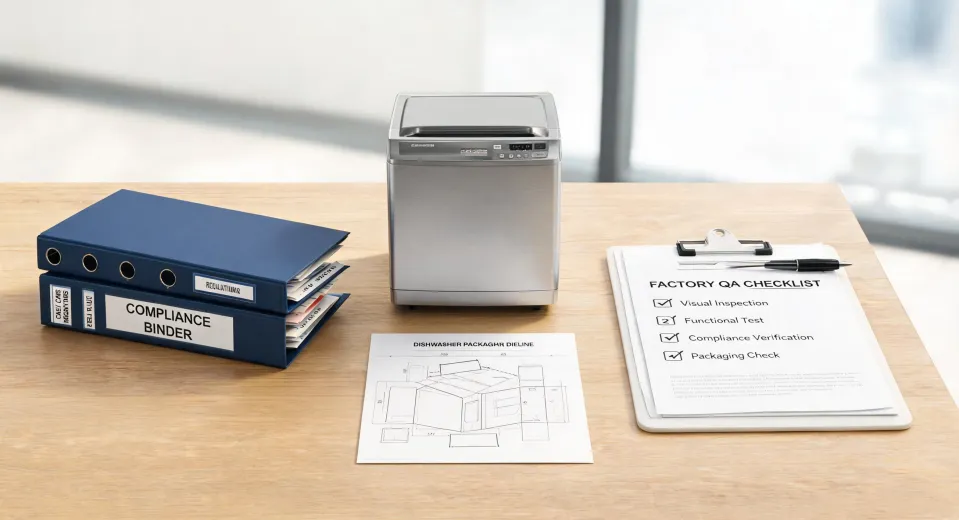
That mistake pushed me to create a 12-point verification checklist. Now every Miele commercial order goes through it before I approve the PO. It's saved us an estimated $8,000 in potential rework over the last 18 months.
(Should mention: the standard Miele built-in oven width for most models is 23 ⁹⁄₁₆ inches (600 mm), but always verify with your specific model. Some combi-steam ovens are slightly different. Measure your cabinet opening first, then match the oven.)
When prevention really matters: water filters and gas bans
You might be looking for “sans ro water filter” or “bay area gas water heater ban” alongside Miele—those aren't random keywords. They're actually connected.
Water filters for Miele coffee machines and dishwashers
Miele's commercial coffee machines and dishwashers often require water filtration, especially if your local water has high mineral content. A few clients skip the filter thinking “it's basically the same as not using one.” That was the one time it mattered—a $4,000 espresso machine lost its pump after 8 months due to scale buildup. The repair cost $600 and left the machine down for 10 days.
So if you search “sans ro water filter” (maybe you meant “sand” or “Sans” as a brand?), honestly, I'm not 100% sure. But I know Miele recommends a specific filtration solution—usually a sediment filter + carbon block. Don't guess. Miele's website has a water hardness guide for each model. Use it.
The Bay Area gas water heater ban: planning ahead
Starting 2026, many Bay Area cities will ban new natural gas water heaters in commercial buildings. If you're building or retrofitting a laundry or kitchen, this matters. Miele's commercial dryers and washers are available in electric or heat pump configurations. We already switched to heat pump dryers in two projects. They cost about 15% more upfront—maybe 20%, I'd have to check—but they avoid future compliance headaches.
My biggest regret in 2023: not planning for the ban when we ordered laundry equipment for a new hotel near San Francisco. We had to modify the gas piping after installation because the code changed mid-project. That rework cost $3,500 and a lot of stress. So if you're anywhere in the Bay Area, check local codes before you buy. Miele's electric options are solid—just verify lead times.
The Miele vacuum store question: are they worth it?
If you search “miele vacuum store near me,” you'll find authorized dealers and maybe big-box retailers. My opinion: for commercial applications, buy from a Miele-authorized commercial dealer. The difference isn't the product—it's the service. A dedicated commercial dealer will help you with spec matching, warranty registration, and spare parts. A general vacuum store might just hand you the box.
I have mixed feelings about this. On one hand, convenience stores often have lower prices. On the other, I've seen a $1,200 commercial canister vacuum die early because it was used on industrial carpet without the correct floor head—a mismatch that a specialized dealer would have caught. The warranty repair took 6 weeks. That's lost revenue.
Boundary conditions: when Miele isn't the right call
I'll be honest—Miele isn't for every commercial application. If you need absolute lowest upfront cost, there are cheaper options from Whirlpool or Electrolux. But if you're factoring in total cost of ownership (including downtime and service), Miele often wins.
Also, don't expect “never breaks.” Miele appliances are durable, but they still have wear items like seals, filters, and heating elements. The advantage is that these parts are well-designed and available for 10+ years. But if you're in a high-usage commercial laundry doing 200 cycles a day, even a Miele will need regular maintenance. That's where prevention matters again: schedule preventive service, don't wait for failure.
One last tip: the “miele appliances near me” search often returns residential showrooms. For commercial orders, call Miele's commercial division directly or use their dealer locator with the “commercial” filter. It saved me a wasted trip twice.
Bottom line: Verify specs upfront, invest in proper water filtration, stay ahead of gas bans, and buy from knowledgeable dealers. A few minutes of prevention now beats days of correction later—I've learned that the expensive way so you don't have to.