-
1. What do the symbols on my Miele vacuum mean?
-
2. Where can I buy genuine Miele vacuum cleaner parts?
-
3. Is Miele really worth the premium for commercial use?
-
4. What other equipment should we pair with Miele?
-
5. What should we inspect when our Miele order arrives?
-
6. How long do Miele commercial appliances actually last?
-
7. What's the biggest mistake commercial buyers make with Miele?
If you're buying Miele for a hotel, restaurant, or industrial laundry, you've got questions. That's normal. I review every Miele shipment before it reaches commercial clients—roughly 200 units per month. In 2024, I rejected 9% of first deliveries. Most for transit damage. Some for spec mismatches that would have caused real problems down the line.
Here's what I tell buyers when they ask. Straight answers.
1. What do the symbols on my Miele vacuum mean?
This is the question I get every single week. The symbols on Miele vacuums look cryptic at first, but honestly? They're not complicated.
The rectangle with a line through it means hard floor. The bristle-style icon means carpet. On models with adjustable suction, a lit segment means maximum power. You'll also see a filter change indicator—looks like a small square with airflow arrows—on the AirClean and Complete C3 lines.
One thing most buyers miss: the symbol layouts differ slightly between the Classic and Complete series. If you're managing vacuums across multiple properties, take a photo of the symbol panel when you unbox each unit. It'll save your housekeeping team a ton of confusion later. If you have both model types in your fleet, a printed cheat sheet at the housekeeping station goes a long way.
2. Where can I buy genuine Miele vacuum cleaner parts?
Only from Miele authorized dealers, Miele's direct store, or certified service partners. I know that sounds like the standard corporate line. There's a reason I'm blunt about it.
We tested aftermarket filters that looked identical to Miele originals. They cost 60% less. They also failed after two weeks and let dust through the exhaust. In a commercial setting, that's an inspection fail and a guest complaint waiting to happen.
What I mean by total cost thinking is this: a $12 knockoff that dies in 14 days costs you more in labor, downtime, and re-cleaning than the $30 original that lasts six months. Period. Don't make a procurement decision on unit price alone. If you're unsure whether a dealer is authorized, Miele's website has a store locator that covers most regions.
3. Is Miele really worth the premium for commercial use?
From the outside, it looks like you're paying double for the same appliance. The reality is different. You're paying for a 20-year design life, a service network that actually stocks parts, and fewer replacement cycles.
I went back and forth on this myself when specifying equipment for a resort client. One vendor quoted 30% lower upfront. The established option offered reliability; the cheaper one offered immediate savings. Ultimately I chose Miele, because the project was too important to risk.
Here's a concrete example of how I run the numbers. A $500 quote turned into $800 after shipping, setup, and revision fees. The $650 all-inclusive quote was actually the cheaper one. Upfront price is just the entry ticket. Total cost of ownership—delivery, installation, maintenance, service life, replacement frequency—is the number that matters for commercial operations. Miele's commercial line is built with heavier components specifically for continuous duty cycles. That's where the extra cost goes.
4. What other equipment should we pair with Miele?
Nobody asks this, but everybody should. Miele handles the heavy lifting—dishwashers, laundry systems, ovens. For lighter tasks, you don't always need commercial-grade muscle.
In a typical hotel kitchen, a Cuisinart hand mixer—the 5-speed model is a workhorse—handles small-batch prep without the cost of a commercial stand mixer. For the spa or staff grooming area, a Philips HC5630/15 hair clipper is reliable, easy to maintain, and budget-friendly.
And robot vacuums? A facilities manager at a 200-room property once asked me how to turn off a Shark robot vacuum that kept running at night and wouldn't respond to the app. Hold the power button for 10 seconds until the chime sounds. That's the hard reset.
But that fixes the symptom, not the problem. A Shark robot vacuum is fine for daytime lobby touch-ups. For guest rooms and commercial carpets, your housekeeping team needs real suction and sealed filtration. A Miele vacuum does the actual clean. The robot just keeps things tidy in between. Choose the right tool for the task, not the most expensive one.
5. What should we inspect when our Miele order arrives?
Don't assume everything is flawless just because the box says Miele. I've been reviewing commercial appliance deliveries for over 4 years, and I still find issues on a regular basis.
In Q1 2024, we received a batch of 12 Miele washing machines where the door seals were visibly off—about 2mm of misalignment against our 1.5mm spec. The shipper claimed it was "within industry standard." We rejected the batch anyway. They redid it at their cost. That decision cost them a $22,000 redo and delayed their launch. For us? It prevented water damage, leaking machines, and angry clients. Easy call.
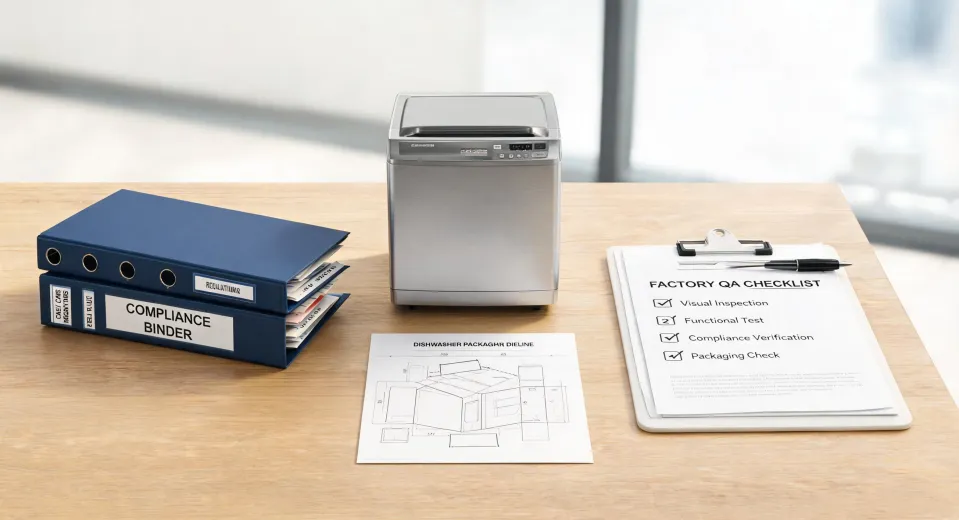
My checklist is simple: verify model numbers against your purchase order (I've caught mismatched variants three times this year alone), check for scratches, dents, or misaligned doors, and test every unit before it goes into service. Run a cycle. Turn it on. Listen. A 10-minute check now saves a 10-hour problem later. And document everything—photos, serial numbers, test results. You'll thank yourself if a warranty issue comes up 14 months later.
6. How long do Miele commercial appliances actually last?
Miele's published engineering standard is 20 years of use. In my experience with commercial clients, that number is conservative.
But 20 years doesn't mean zero maintenance. It means the machine is designed to be serviced instead of replaced. Genuine parts stay available for decades. The engineering assumes you'll replace a pump or motor eventually—and you can, because it's built to be repaired. That's the real difference between Miele and cheaper alternatives.
The question everyone asks is, "What's the warranty?" The question they should ask is, "What's the expected service life for my duty cycle?" A commercial washer running 15 cycles a day in a hostel won't last 20 years. It'll last 8–10. Still way better than the 3–5 years you'd get from cheaper units at half the price. And when you do need after-sales support, certified Miele technicians carry genuine parts on their vans. That means less downtime and fewer return visits.
7. What's the biggest mistake commercial buyers make with Miele?
Buying home-grade models for commercial applications. The home line is excellent for homes. The commercial line exists for a reason. Buying the wrong class is the most expensive mistake I see.
The upside of the cheaper home-grade option was saving $2,000 per unit. The risk was machines failing under continuous use. I kept asking myself: is $2,000 worth potentially losing a client over a breakdown? Not even close.
Seriously—do the full total cost of ownership math before you buy. Consider base price, installation, maintenance, expected lifespan, and the cost of downtime when a machine fails. The most expensive option upfront is often the most cost-effective over a 15-year horizon. The lifecycle cost is the only cost that matters. It's the advice I give every client, and the logic I use on every purchase order I approve.